History
Articles in this category

Edwin Díaz
Edwin Díaz (born March 22, 1994) is a Puerto Rican professional baseball pitcher for the Los Angeles Dodgers, having previously starred for the Seattle Mariners and New York Mets. Drafted by the Mariners in 2012, he debuted in 2016 and quickly made history by setting a franchise record with 11 consecutive strik...

War economy
A war economy is a state's systematic mobilization of its resources to sustain conflict, typically involving increased government planning, rationing, and conscription, alongside measures like raising interest rates. Economically, it often aligns with military Keynesianism, where military budgets stabi...

Irish mythology
Irish mythology, a vibrant body of indigenous myths, stands as the best-preserved branch of Celtic mythology. Passed down orally from prehistoric times, these compelling tales were eventually recorded by early medieval Christian scribes, who preserved and somewhat Christianized them. The myths are conventionally grouped into 'cycles,' ...
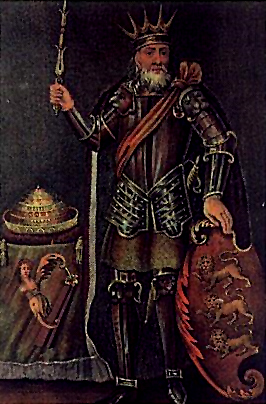
High King of Ireland
The High King of Ireland (Irish: Ardrí na hÉireann) was a royal title for those who had, or claimed, lordship over all of Gaelic Ireland, encompassing both historical and legendary figures. However, modern historians believe the medieval literary tradition of an unbroken line of High Kings, ruling from the Hil...
Cormac mac Airt
Cormac mac Airt: Ireland's Legendary High King
Cormac mac Airt, also known as Cormac Ulfada ("long beard"), is arguably the most famous and influential of Ireland's legendary High Kings, with his reign variously dated between the 2nd and 4th centuries AD. He is said to have ruled for forty years from Tara, presi...
New York World's Fair
The Wikipedia entry for "New York World's Fair" serves as a disambiguation page, clarifying that this term refers to two distinct historical events. It specifically identifies two major international expositions held in New York City during different eras. Readers are directed to separate articles for the 1939 New York World's ...

New York World
The New York World, published from 1860 to 1931, was a highly influential American newspaper and a leading national voice for the Democratic Party. Its most impactful era began in 1883 under publisher Joseph Pulitzer, who transformed it into a pioneer of "yellow journalism," aggressively building its daily circulation to one million.

Australian Army
The Australian Army, established in March 1901 by amalgamating colonial forces, serves as the nation's principal land warfare component within the Australian Defence Force. Initially composed largely of part-time soldiers, it relied on volunteer expeditionary forces—such as the First Australian Imperial Force (AIF) in World War I—for o...

World War II
World War II, a global conflict from September 1, 1939, to September 2, 1945, pitted the Allies against the Axis powers and remains the deadliest conflict in human history. Triggered by Nazi Germany's invasion of Poland under Adolf Hitler, the war escalated dramatically when Japan attacked Pearl Harbor...

Gunner (dog)
Gunner was a remarkable male kelpie dog famous for his extraordinary ability to warn Allied air force personnel of approaching Japanese aircraft during World War II in Darwin, Australia. Found as an injured six-month-old stray after the first air raid on February 19, 1942, he was adopted by Leading Aircraftman ...

Demographics of Europe
Here is a comprehensive summary of the Wikipedia article on Europe's population:
Europe's population currently exceeds 751 million people (as of 2018), constituting approximately 10% of the world's total, with Russia being its most populous country. The continent has experienced...
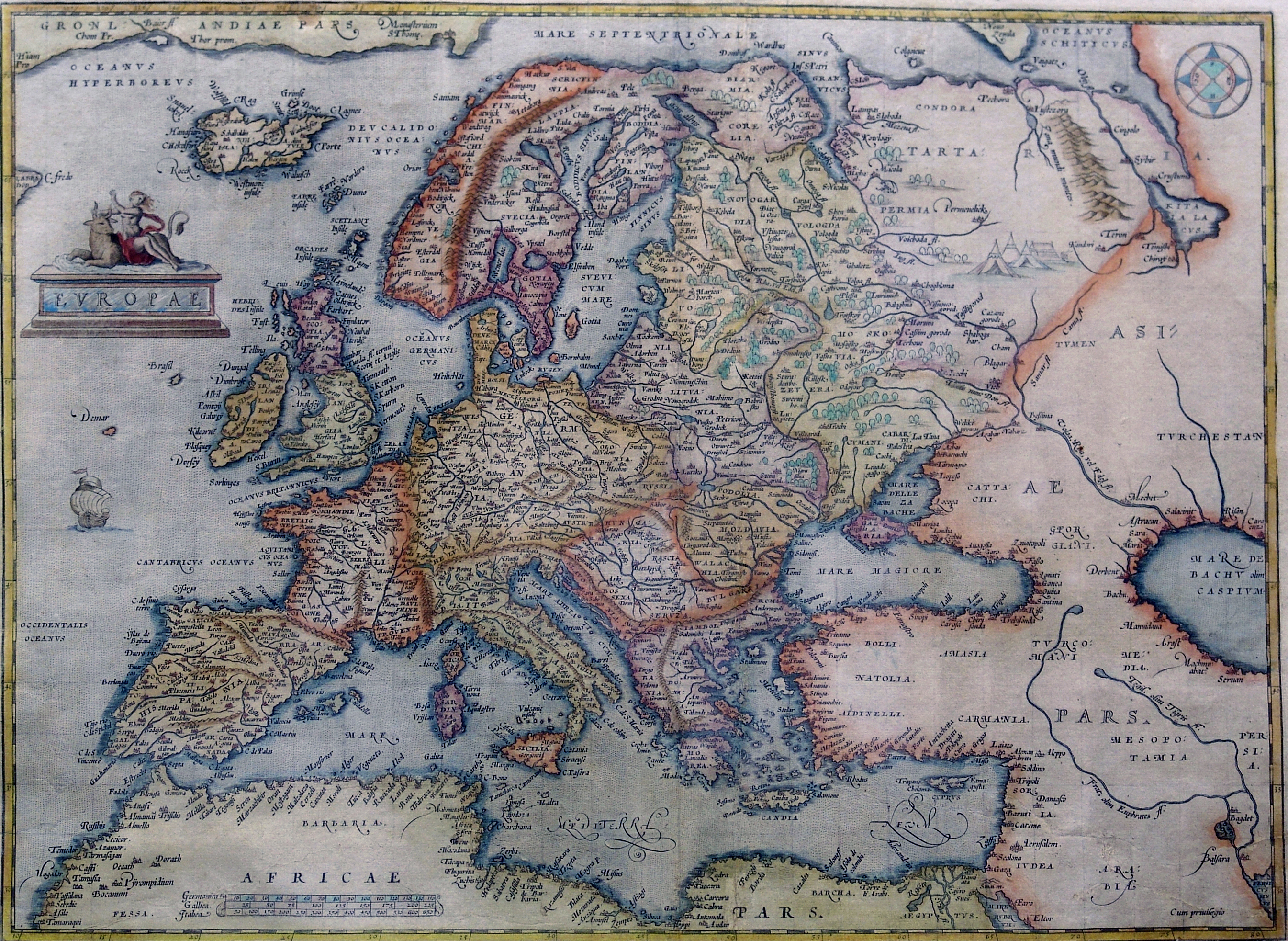
History of Europe
Europe's rich history is traditionally divided into four major periods, beginning with early modern humans around 48,000 years ago and the Neolithic advent of agriculture and megalithic structures like Stonehenge. Classical Antiquity (800 BC – AD 500) saw the rise of ancient Greece and...