Geography
Articles in this category
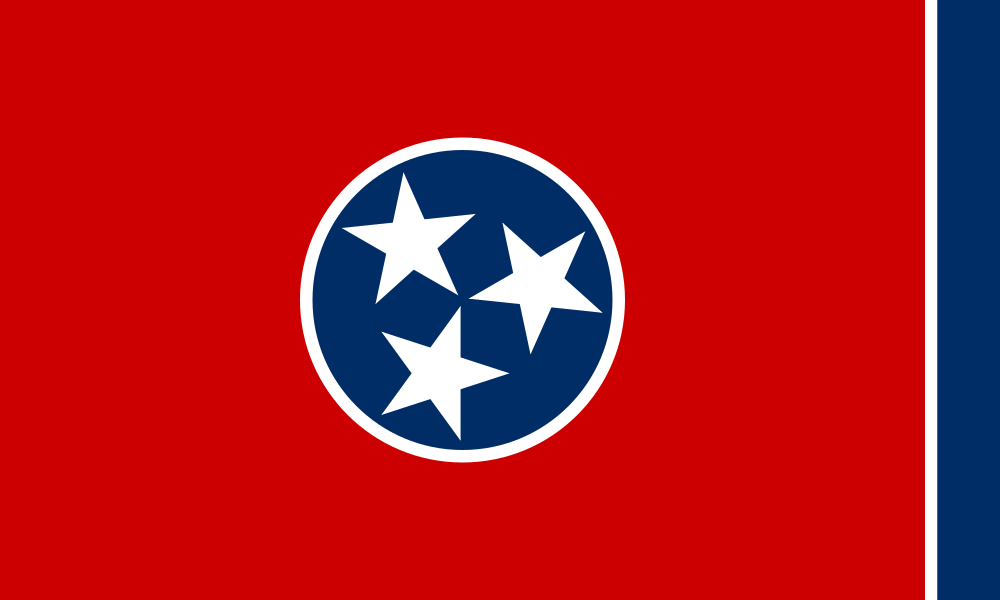
Tennessee
Tennessee, often called "The Volunteer State," is a diverse southeastern U.S. state geographically divided into East, Middle, and West Grand Divisions, ranging from the towering Blue Ridge Mountains and Great Smoky Mountains National Park in the east to fertile western plains. Its origins trace back to the 1772 Watauga Association, the...

Nicosia
Nicosia, also known as Lefkosia or Lefkoşa, is the capital of Cyprus and the southeasternmost capital of an EU member state, boasting a history of continuous habitation for over 5,500 years. Serving as the island's capital since the 10th century, it is notably the last divided capital in Europe. After Cyprus gained independence in 1960...

Belarus
Belarus is a landlocked Eastern European country of 9.1 million people, with its capital in Minsk, bordering Russia, Ukraine, Poland, Lithuania, and Latvia. Historically, it spent five centuries under the Grand Duchy of Lithuania and Polish–Lithuanian Commonwealth before becoming part of the Russian Empire and, in 1922, the Byelorussia...
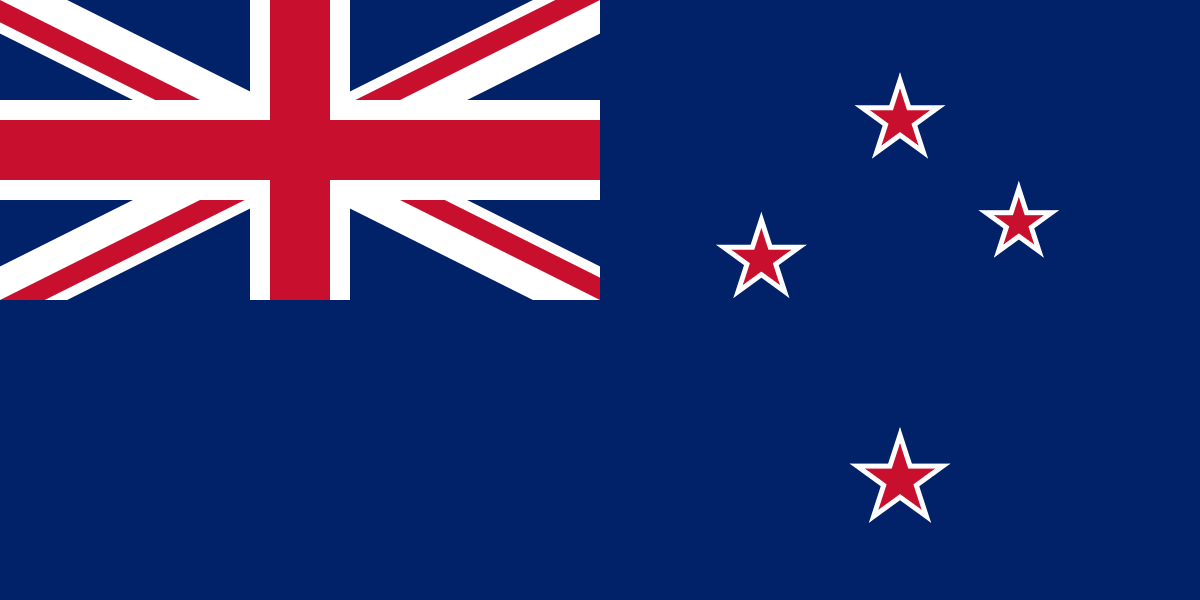
New Zealand
New Zealand (Aotearoa) is an island nation in the southwestern Pacific Ocean, renowned for its dramatic, tectonically shaped landscapes across its two main islands and numerous smaller ones. Polynesians were the first to settle this last major habitable land between 1280-1350, developing the distinct Māori culture. European contact beg...
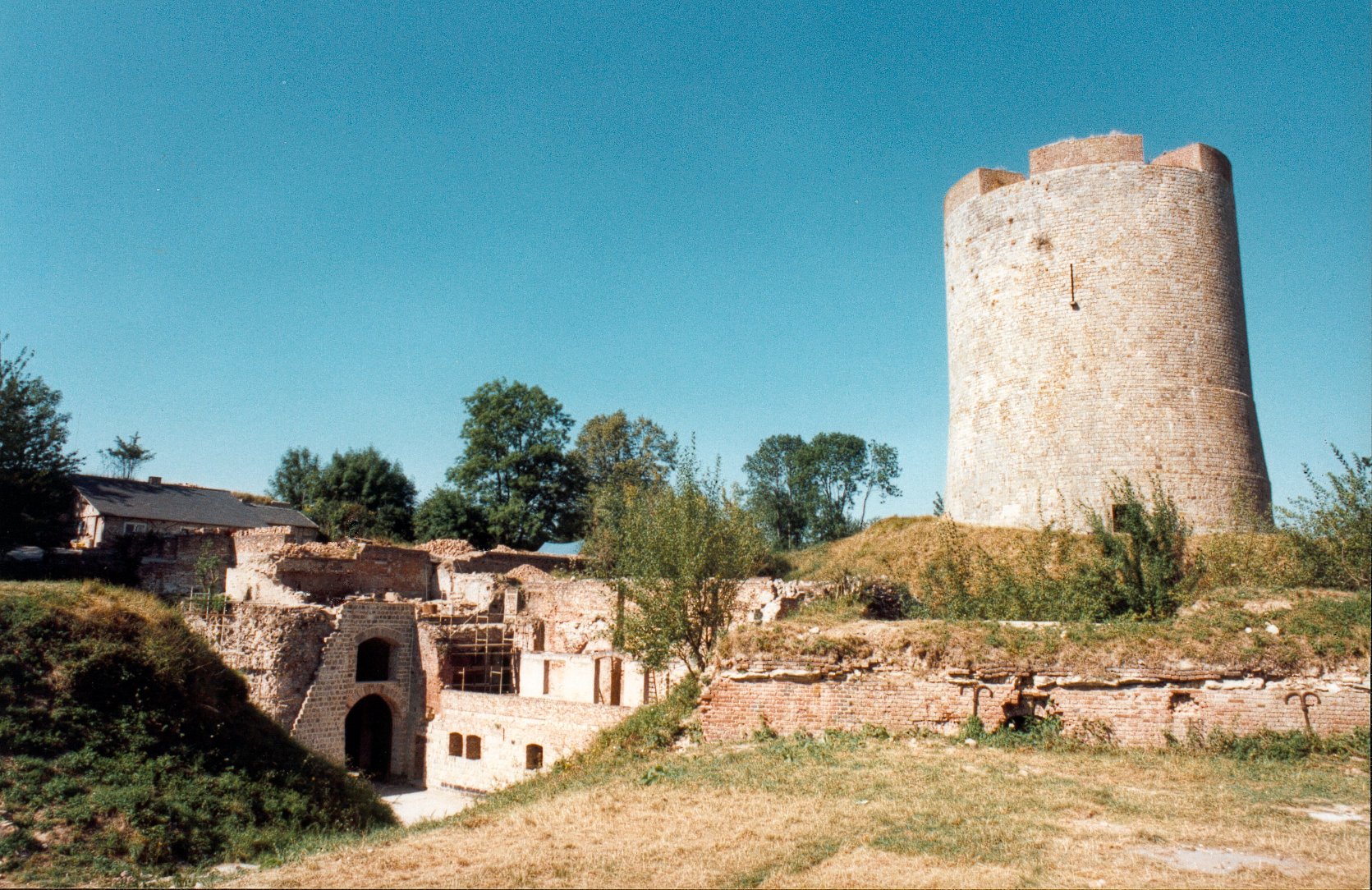
Guise
Guise is a historic commune in northern France, prominently known as the ancestral home of the noble House of Guise, whose medieval castle ruins still stand within the town. Beyond its aristocratic connections, Guise was the birthplace of notable figures such as Camille Desmoulins (1760–1794), a journa...

City
A city is broadly defined as a substantial human settlement, though its specific criteria vary worldwide, typically denoting a densely populated area where members primarily engage in non-agricultural tasks and possess extensive systems for housing, transportation, and utilities. Following two centuries of unprecedented urbanization, o...

Texas
Texas, famously known as the "Lone Star State" due to its past as an independent nation, is the second-largest U.S. state by both area and population, with over 31 million residents as of 2024. After being claimed by Spain and then Mexico, Texas gained independence in 1836 as the

Ariana
Ariana was an ancient Greco-Roman geographical term describing a vast region between Central Asia and the Indus River, largely encompassing modern-day Afghanistan, eastern Iran, and western Pakistan. The name is Latinized from the Greek "Ar(e)ianē," which itself derived from the Avestan "Airyanem," meaning 'Land of the...

Arizona
Arizona, the 48th and last of the contiguous states admitted to the Union on February 14, 1912, is a landlocked state in the Southwestern United States. Its capital and largest city, Phoenix, is also the nation's fifth-most populous city. The state's diverse landscape ranges from southern deserts with ...

Croatia
Croatia, a picturesque country in Central and Southeast Europe, boasts a stunning coastline along the Adriatic Sea and a rich history stretching back to the arrival of the Croats in the late 6th century. It achieved international recognition as an independent duchy on June 7, 879, under Duke Branimir, and became a king...
Bellingham
The name "Bellingham" most commonly refers to either Bellingham, Washington, a significant city in Whatcom County, or Jude Bellingham, the renowned football player. However, the term also encompasses a wide array of other places and entities around the world. Geographically, you can find Bellinghams in...

England
England, a constituent country of the United Kingdom, occupies about 62% of the island of Great Britain, with its capital and largest city being London, home to over 56 million people as of the 2021 census. Named after the Angles, a Germanic tribe who settled during the 5th and 6th centuries, England became a unified state in the 10th ...