Geography
Articles in this category

Indiana
Indiana: The Hoosier State's Rich History and Modern Vibrancy
Indiana, affectionately known as "the Hoosier State," is a diverse Midwestern U.S. state that joined the Union as the 19th state on December 11, 1816. Its early history saw indigenous resistance quelled by 1813, paving the way for settlement and, post...

Maumee River
The Maumee River, originating from the confluence of the St. Joseph and St. Marys rivers in Fort Wayne, Indiana, meanders 137 miles northeast through Ohio's rich agricultural land before emptying into Lake Erie at Toledo. Historically known to Native Americans as the Miami and central to pivotal conflicts like the 1794 Battle of Fallen...

Lucas County, Ohio

Toledo, Ohio
Toledo, Ohio: A Glimpse into the "Glass City"
Toledo, Ohio, situated at the western end of Lake Erie along the Maumee River, is the state's fourth-most populous city and a vital Midwest trade center, boasting the Great Lakes' fifth-busiest port. The region was historically inhabited by Native American tribes suc...

Tuscaloosa County, Alabama
Tuscaloosa County, located in northwest-central Alabama, is a significant regional hub for commerce, education, and industry, home to a 2020 population of 227,036. Established on February 6, 1818, and named after the 16th-century Chief Tuskaloosa, it notably served as Alabama's state capital from 1826 to 1846, and the University of Ala...

University of Alabama
Here's a comprehensive summary of the Wikipedia article about the University of Alabama:
The University of Alabama (UA), informally known as "The Capstone," is Alabama's oldest and largest public research university, established in 1820 and opening its doors in Tuscaloosa in 1831. Classified as an "R1: Doctoral University – Very...
Tuscaloosa, Alabama
Here is a comprehensive summary of the Wikipedia article about Tuscaloosa:
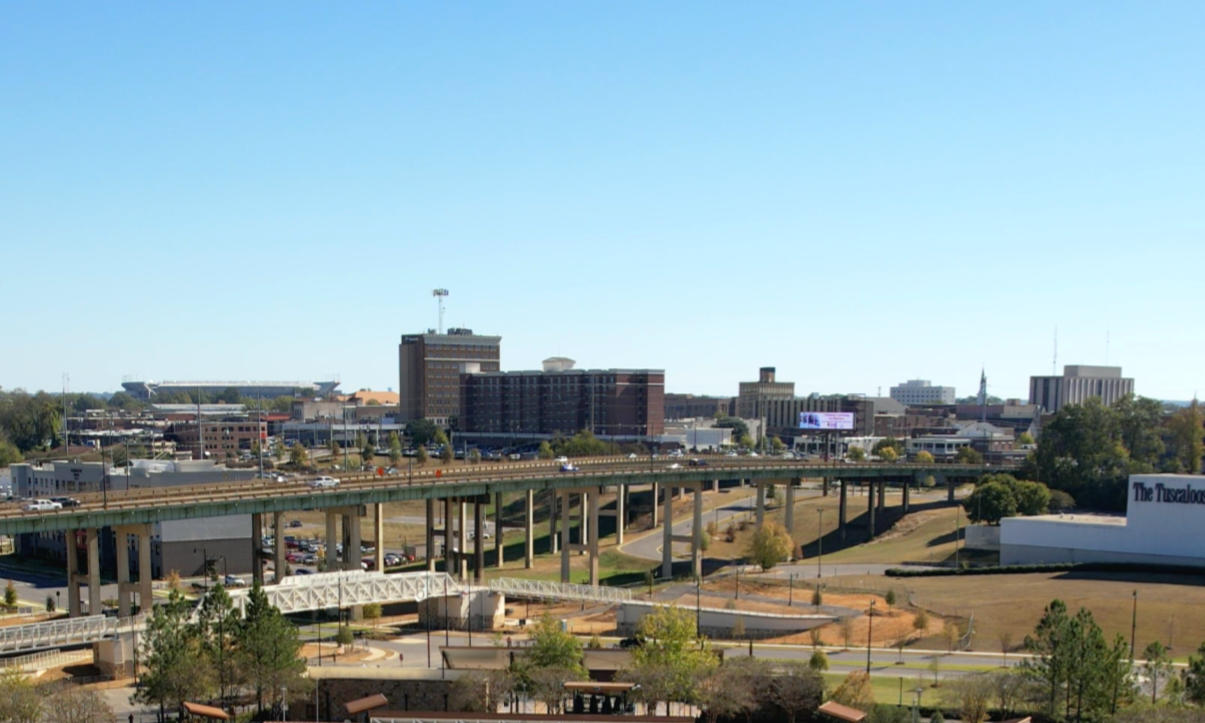
Tuscaloosa, located in west-central Alabama on the Black Warrior River, is a vibrant city known as "the Druid City" due to its numerous downtown water oaks. Incorporated on December 13, 1819, the city was named after Chief Tuskaloosa, a "Black Warrior" ch...
West Africa
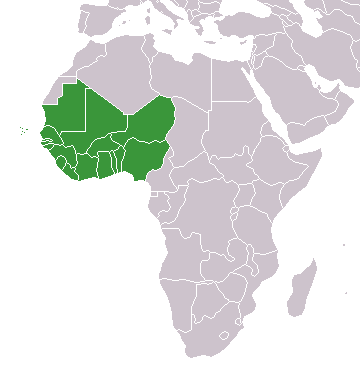
West Africa, the continent's westernmost region, encompasses 16 countries and an estimated 419 million people as of 2021, making it one of Africa's fastest-growing areas both demographically and economically. Historically, powerful empires like Mali and Gao flourished by controlling trans-Saharan trade in gold, ivory, and advanced iron...
Porto-Novo
Porto-Novo: Benin's Historic Capital with a Dual Identity
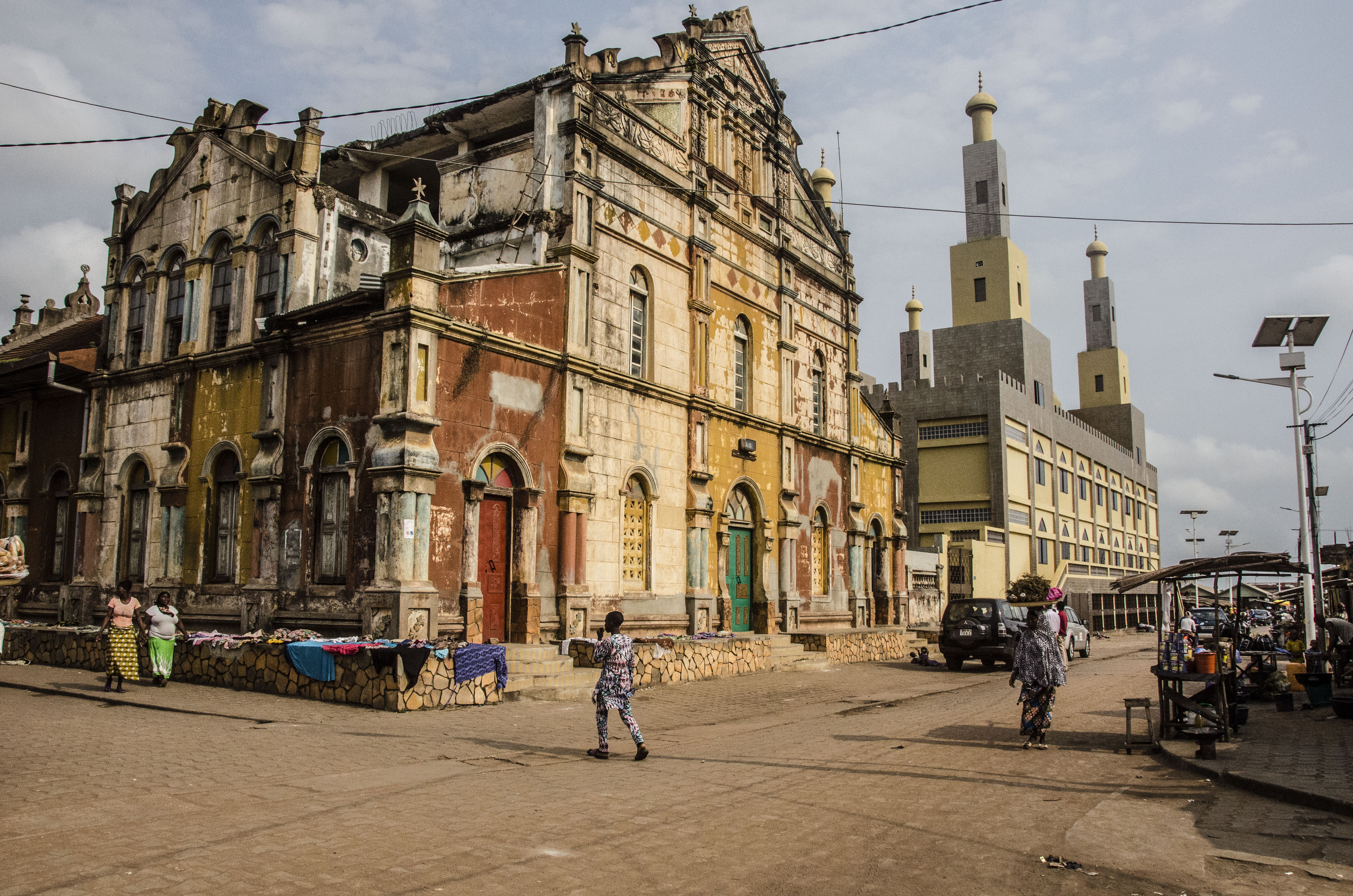
Porto-Novo, meaning "New Port" in Portuguese, is the official capital of Benin, though the larger city of Cotonou serves as the nation's primary economic and administrative hub. Originally known as Ajashe by the Yoruba people, the city wa...
Benin
Here's a comprehensive summary of the Wikipedia article about Benin:
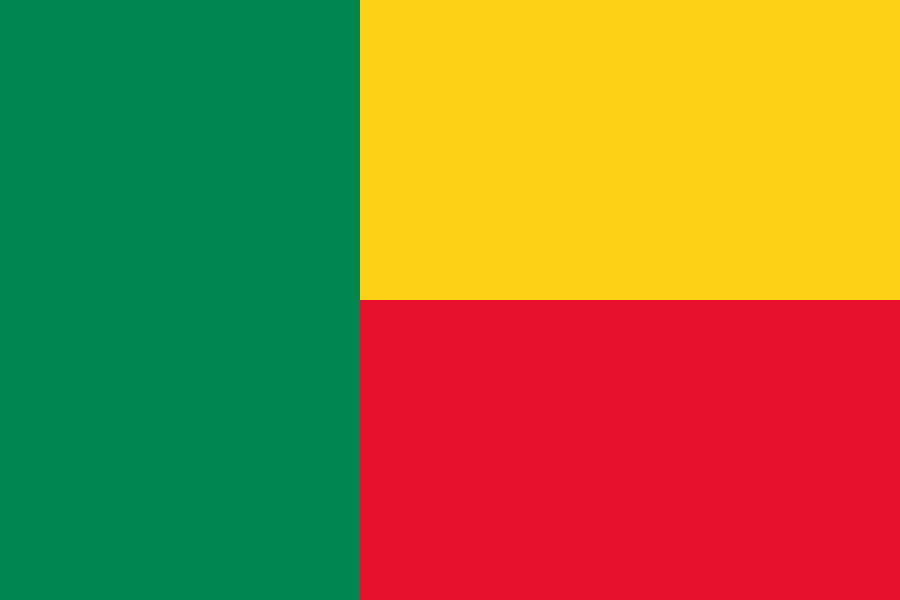
Benin, a West African nation with approximately 13 million people, is nestled on the Bight of Benin, with its official capital in Porto-Novo and the bustling economic center in Cotonou. Historically, the area was dominated by the powerful
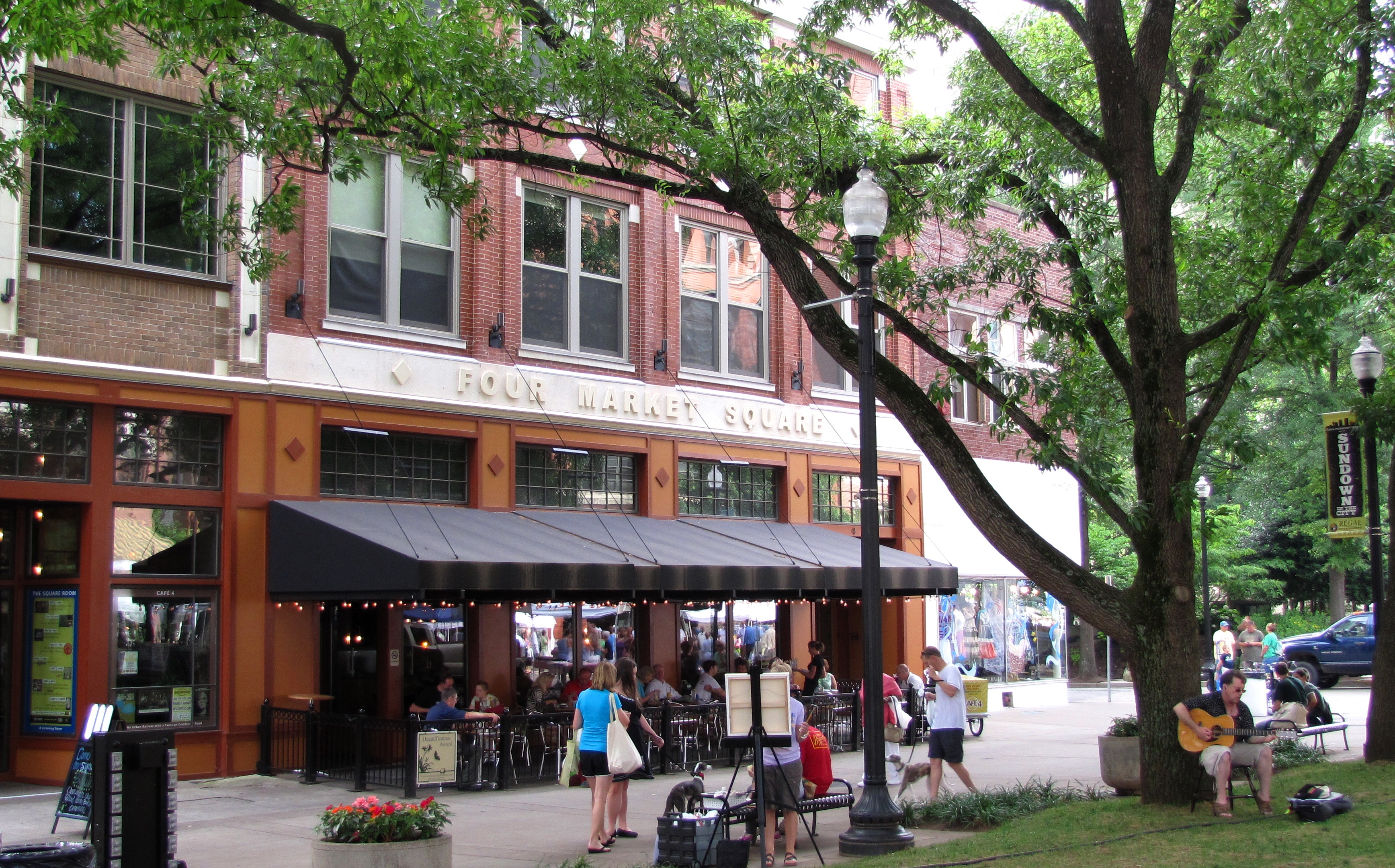
Knoxville, Tennessee
Knoxville, nestled on the Tennessee River within the Appalachian Mountains, is East Tennessee's largest city and its county seat, boasting a 2020 population of over 190,000. Founded in 1786, it served as Tennessee's first capital, overcoming early geographic isolation with a transformative railroad boom in 1855...

Nashville, Tennessee
Nashville, the capital and most populous city of Tennessee, was founded in 1779 and named for Revolutionary War general Francis Nash. Strategically located on the Cumberland River, it quickly grew as a vital port and railroad center, notably becoming the first Confederate state capital taken by...