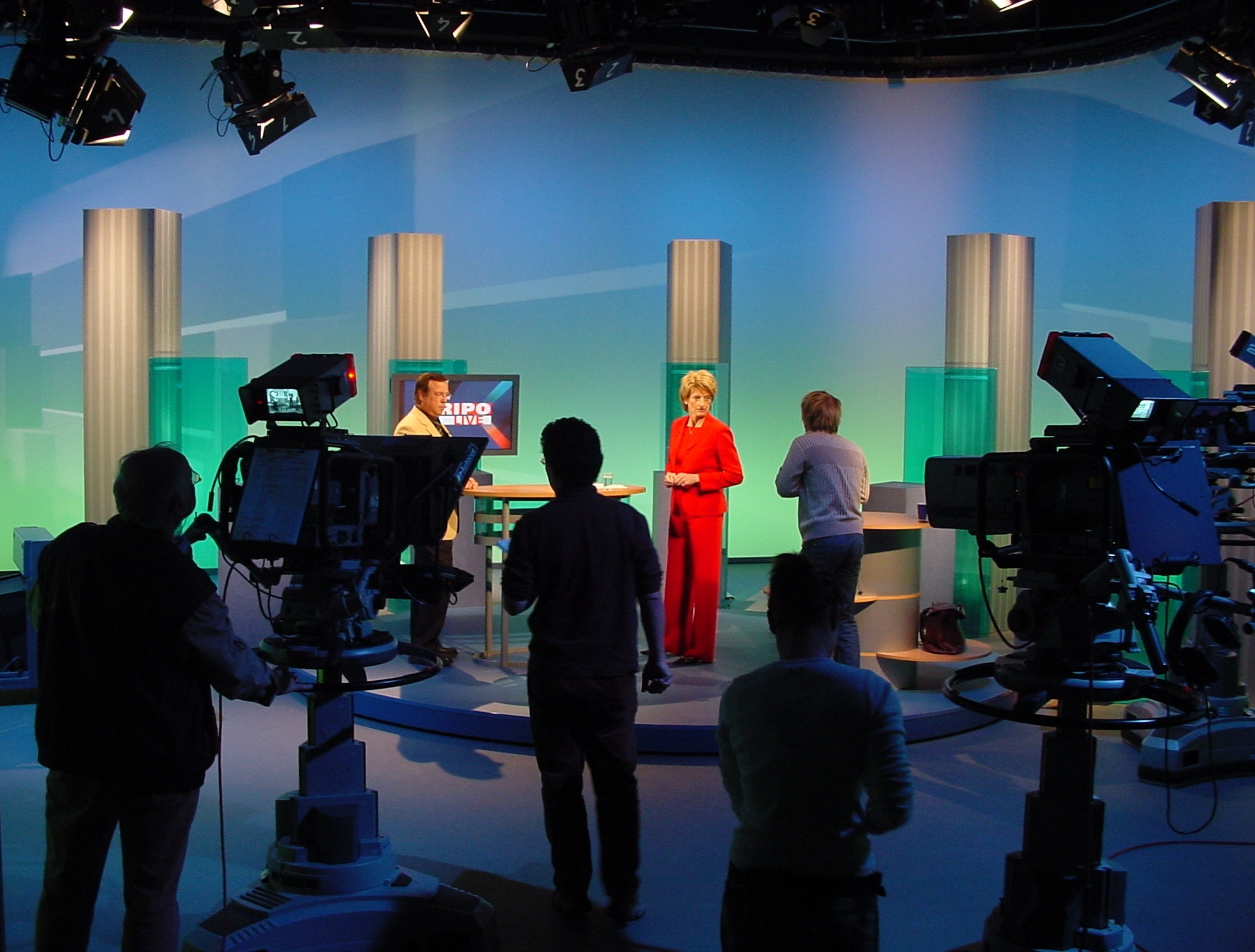
Television show
A television show refers to any content produced for viewing on TV, transmitted through traditional over-the-air, satellite, and cable broadcasts, or digitally via streaming platforms. The medium's journey began with experimental broadcasts in the 1930s, gaining significant momentum after World War II with events like the 1947 World Series. A pivotal moment came in 1948 when the Texaco Star Theater, hosted by "Mr. Television" Milton Berle, became the first weekly televised variety show, solidifying TV's potential as a stable entertainment and advertising force.
Major milestones include the first national live broadcast in the US on September 4, 1951, and the slow but complete transition from black-and-white to full color programming by 1972, starting with the 1954 Tournament of Roses Parade. While early programming relied on scheduled broadcasts, the rise of streaming services has revolutionized viewing, allowing audiences on-demand access to a vast array of fictional and non-fictional genres, including series, specials, and miniseries. This evolution has transformed television into a dynamic and universally accessible form of media.
Source: Television show — Wikipedia · Summary by RollWiki AI · Language: English